
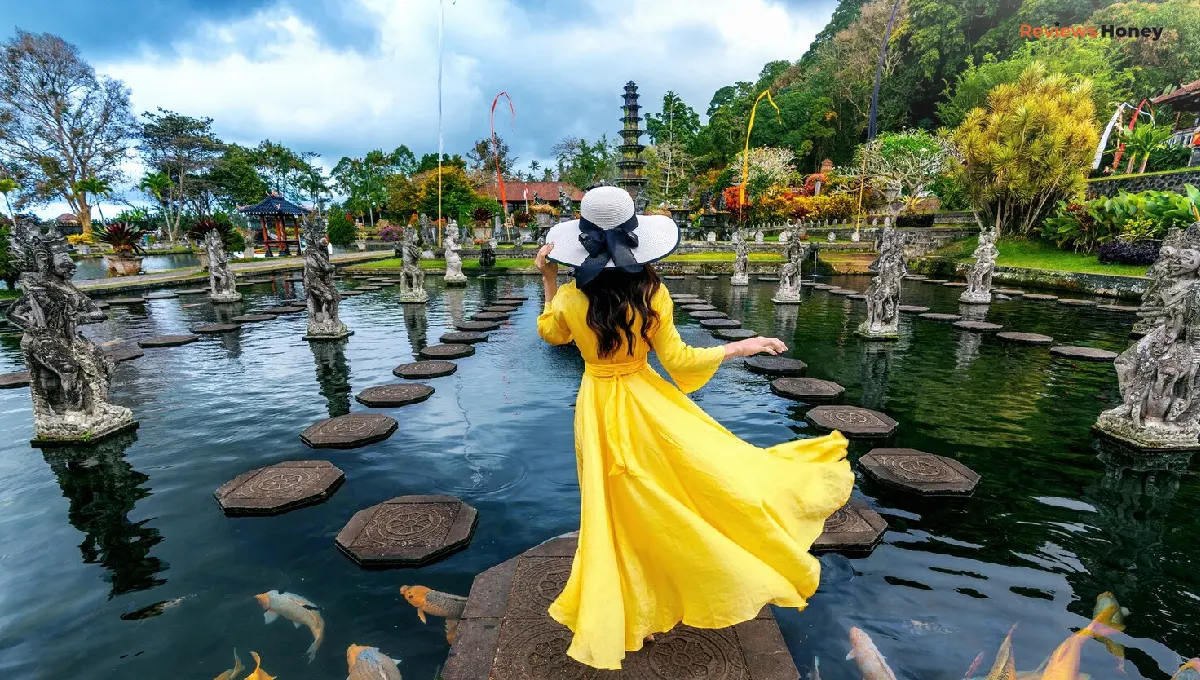
Is Bali Still Worth It in 2026? An Honest Review After the Tourism Boom
Bali has long been one of the world's most sought-after island destinations, celebrated for its lush rice terraces, spiritual temples, volcanic landscapes and laid-back beach culture. But after years of record-breaking tourism, rising prices and viral social media fame, many travelers are asking the same question: is Bali worth it anymore?
The answer isn't as straightforward as it once was.
While Bali remains breathtaking in many ways, the island has changed significantly over the past few years. Popular hotspots now experience heavy traffic, once-hidden beaches attract large crowds and tourism continues to reshape local communities. At the same time, quieter villages, authentic cultural experiences and spectacular natural landscapes still offer the magic that first made Bali famous.
If you're planning a trip, this Bali honest review explores what has changed, what still makes the island special and whether Bali is worth visiting in 2026 based on today's travel experience not outdated expectations.
Quick Answer
Yes, Bali is still worth visiting in 2026 but it depends on where you go and what you expect. Popular areas like Canggu and Seminyak are busier and more expensive due to Bali overtourism, while destinations such as Sidemen, Munduk, Amed and North Bali continue to offer peaceful scenery, authentic culture and excellent value. Travelers who venture beyond the tourist hotspots are more likely to experience the Bali they came to see.
How Bali Changed After the Tourism Boom
Tourism has always been central to Bali's economy, but the rapid recovery following the pandemic transformed the island faster than many expected.
Remote workers, digital nomads, influencers, luxury resorts and international investors have all contributed to Bali's growing popularity. Areas that were once quiet surf towns have evolved into bustling hubs filled with cafes, coworking spaces, boutique hotels and beach clubs.
This growth has created new opportunities for local businesses while also bringing increased traffic congestion, environmental concerns and rising living costs. The Bali you'll experience today depends largely on where you choose to stay.
Why Bali Is Still Worth Visiting
Despite the headlines surrounding overtourism, Bali continues to offer experiences that few destinations can match.
Rich Culture Around Every Corner
Unlike many beach destinations, Bali isn't defined solely by its coastline. Daily offerings at temples, traditional ceremonies, colorful festivals and centuries-old customs remain deeply woven into everyday life.
Visitors who respectfully engage with local culture often discover that Bali's greatest attraction isn't its beaches, it's its people. If you're watching a traditional Kecak dance or exploring a centuries-old temple, authentic cultural experiences remain abundant.
Incredible Natural Beauty
Social media may have made certain viewpoints famous, but Bali's landscapes are far more diverse than Instagram suggests.
You'll find:
- Emerald rice terraces
- Hidden waterfalls
- Active volcanoes
- Black sand beaches
- Coral reefs
- Jungle valleys
- Scenic mountain villages
Food Scene That Keeps Improving
Bali has quietly become one of Southeast Asia's most exciting culinary destinations. From authentic Balinese warriors to award-winning restaurants, vegan cafes, specialty coffee shops and seafood grills overlooking the ocean, there's something for every budget and taste. Local dishes such as Nasi Campur, Babi Guling and Sate Lilit remain must-tries, while international cuisine continues to thrive thanks to Bali's global appeal.
Accommodation for Every Budget
One reason Bali remains popular is the variety of accommodation available.
Whether you're looking for:
- Budget hostels
- Boutique villas
- Luxury jungle resorts
- Family-friendly hotels
- Wellness retreats
There's no shortage of options. Compared to many tropical destinations, Bali still offers excellent value for money especially if you travel outside peak seasons.
Wellness and Slow Travel
Bali has become synonymous with wellness. Yoga retreats, meditation centers, spa resorts, sound healing sessions and holistic wellness experiences attract visitors from around the world. While some offerings cater to trends, many are rooted in the island's long-standing emphasis on spirituality and balance. For travelers seeking rest and reconnection, Bali continues to deliver.
The Reality of Bali Overtourism
No Bali honest review would be complete without addressing the challenges. Some of the island's most famous destinations now struggle with the effects of bali overtourism.
Traffic
Traffic congestion has become one of visitors' biggest frustrations. Journeys that once took 20 minutes can now exceed an hour, particularly around:
- Canggu
- Seminyak
- Kuta
- Uluwatu during sunset
Planning your day around peak traffic can make a significant difference.
Crowded Attractions
Iconic locations such as:
- Lempuyang Temple (Gates of Heaven)
- Tegallalang Rice Terraces
- Kelingking Beach day tours
- Popular beach clubs
often experience long queues, especially during peak holiday periods. If your expectations are shaped by years-old travel guide photos, the crowds may come as a surprise.
Rising Prices
While Bali is still relatively affordable, prices in tourist-heavy areas have increased noticeably. Accommodation, dining and transportation in southern Bali can cost significantly more than they did just a few years ago. Fortunately, venturing inland or north often reveals better value and a more relaxed atmosphere.
Best Places to Visit in Bali in 2026
If you're wondering if Bali is worth it, the answer largely depends on where you choose to spend your time. While some destinations have become heavily commercialized, others still offer the peaceful charm that made Bali famous.
Ubud: Best for Culture and Wellness
Despite its popularity, Ubud remains one of Bali's most rewarding destinations. Surrounded by rice terraces, temples, art galleries and wellness retreats, it offers a slower pace than the southern beach towns. Arrive early at popular attractions and explore nearby villages to escape the busiest crowds.
Ideal for: Couples, solo travelers, wellness seekers and culture enthusiasts.
Sidemen: Bali Before the Crowds
If you're looking for the Bali of a decade ago, Sidemen comes remarkably close. This quiet valley is filled with emerald rice fields, traditional villages, scenic hiking trails and boutique eco-lodges. It's the perfect destination for travelers who value authenticity over nightlife.
Ideal for: Nature lovers, photographers and slow travelers.
Munduk: The Hidden Highlands
Nestled in Bali's northern mountains, Munduk is known for its cool climate, misty forests, waterfalls and coffee plantations. The region remains refreshingly uncrowded, making it one of the island's best-kept secrets.
Ideal for: Adventure seekers and couples.
Amed: A Paradise for Divers
Located on Bali's eastern coastline, Amed offers a laid-back atmosphere with volcanic beaches, crystal-clear waters and some of Indonesia's best snorkeling and diving spots. It's a refreshing alternative to the busy beaches of the south.
Ideal for: Divers, snorkelers and beach lovers.
Nusa Islands: Worth the Short Boat Ride
Although technically separate from mainland Bali, Nusa Penida, Nusa Lembongan and Nusa Ceningan are easy day trips or overnight escapes. Dramatic cliffs, turquoise waters and quieter beaches make these islands a favorite for travelers looking beyond the usual tourist circuit.
Ideal for: Scenic landscapes, island hopping and adventure.
Places That Feel Overcrowded
Bali's popularity has inevitably changed some of its most famous destinations. While they're still worth seeing, they often require careful planning and realistic expectations.
Canggu
Once a sleepy surf village, Canggu has transformed into Bali's digital nomad capital. Trendy cafes, coworking spaces, boutique gyms and beach clubs dominate the area, but so do traffic jams and busy streets.
Worth visiting if: You enjoy nightlife, cafes and a vibrant social scene.
Seminyak
Seminyak continues to attract visitors with its upscale restaurants, luxury resorts and designer boutiques. However, it can feel crowded, especially during weekends and holiday seasons.
Worth visiting if: You prefer shopping, beach clubs and fine dining.
Kuta
Kuta remains one of Bali's busiest tourist areas. While it offers affordable accommodation and beginner-friendly surfing, many travelers now find it noisy and overly commercialized.
Worth visiting if: You're on a budget or visiting Bali for the first time.
Is Bali Expensive in 2026?
One of the biggest misconceptions is that Bali is no longer affordable. In reality, the island still caters to a wide range of budgets, it simply depends on where and how you travel.
|
Expense |
Budget Traveler |
Mid-Range Traveler |
Luxury Traveler |
|
Accommodation (per night) |
$20–50 |
$70–180 |
$250+ |
|
Meals |
$3–10 |
$15–30 |
$50+ |
|
Scooter Rental |
$6–10/day |
— |
— |
|
Private Driver |
$40–70/day |
$40–70/day |
$40–70/day |
Staying in less-touristy regions such as Sidemen or Munduk can significantly reduce costs while providing a more authentic experience.
Who Should Visit Bali in 2026?
Bali is still an excellent destination if you:
- Appreciate nature and outdoor adventures.
- Enjoy cultural experiences and local traditions.
- Want a mix of relaxation and exploration.
- Are interested in yoga, wellness or surfing.
- Prefer flexible travel with options for every budget.
Travelers who venture beyond the busiest hotspots are more likely to experience the island's unique character.
Final Verdict: Is Bali Worth It in 2026?
So, is Bali worth it in 2026?
Yes but only if you travel thoughtfully.
The island is no longer the undiscovered paradise it once was and Bali overtourism has undeniably changed some of its most iconic destinations. Yet reducing Bali to crowded cafes and traffic jams overlooks everything that continues to make it extraordinary.
Beyond the busy streets of Canggu and Seminyak lies a different side of Bali, one filled with misty mountains, tranquil rice terraces, centuries-old temples, welcoming local communities and breathtaking coastlines. Travelers willing to slow down, explore lesser-known regions and embrace the island beyond social media hotspots are still rewarded with unforgettable experiences.
Ultimately, Bali is worth visiting in 2026 not because it's perfect, but because it offers incredible diversity. Whether you're seeking adventure, culture, wellness or simply a place to unwind, Bali still has the ability to surprise and inspire as long as you know where to look.
Frequently Asked Questions
Q1. Is Bali worth visiting in 2026?
Yes. Bali remains one of Southeast Asia's most diverse travel destinations, offering rich culture, beautiful landscapes, excellent food and accommodation for every budget. Visiting less-crowded regions can make your experience even more rewarding.
Q2. Is Bali too crowded now?
Some popular areas experience heavy crowds and traffic. However, quieter destinations like Sidemen, Munduk, Amed and North Bali continue to provide a more peaceful atmosphere.
Q3. What is the biggest downside of visiting Bali?
Traffic congestion, overtourism in popular areas and rising prices are among the most common challenges. Planning your itinerary carefully and avoiding peak travel periods can help minimize these issues.
Q4. How many days should I spend in Bali?
A stay of 7–10 days is ideal for exploring multiple regions, enjoying cultural attractions, relaxing on the beach and taking day trips without feeling rushed.
Q5. Is Bali suitable for first-time international travelers?
Absolutely. Bali is known for its welcoming hospitality, well-developed tourism infrastructure and wide range of accommodation and dining options, making it a great destination for first-time travelers.